YOUR CART
IS EMPTY
IS EMPTY


Don't repair your car before a long trip, is it true? The answer is both are correct, depending on the situation. This refers to repairs, don't confuse it with inspection or readiness check, which are very important and should always be done before any long trip.
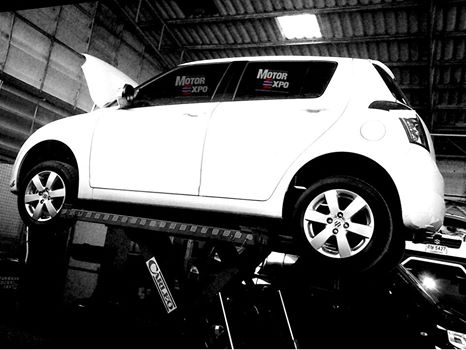
Why should you inspect your car before a long trip? Some people still misunderstand, even if it's a small number, believing that if there's a problem, it could lead to life-threatening danger or injury due to high speed. That's not it. First of all, driving at high speed increases the risk of danger and is also illegal, so it shouldn't be done. And if you insist on doing it, you don't have to wait for a long trip; there are expressways and main roads where you can risk danger at any opportunity, anytime. The real reason is if a car defect occurs and you can't drive further while on a long trip, the trouble and loss are significant. There are no garages nearby, and you won't know where to find a mechanic to fix it. If you need to send it back for repair, you'll have to call for a tow truck. Your planned vacation or relaxation will be completely ruined. Accommodation fees paid in advance cannot be refunded. Just the cost of towing the car back could be tens of thousands of baht, etc.
This is why we should always inspect our car before a long trip.
Now, let's get to the point according to the title. Once a defect is found, should it be repaired before a long trip? This is where there are cases where it should be done and where it shouldn't, and there's also a third case: it must be repaired urgently. For example, finding a defective brake system, brake fluid leaks, or brake pads that are very worn out, torn engine mounts, a cracked coolant hose, or a tire sidewall or tread with a tear so severe that the structural fibers are visible, etc. Defects like these could cause serious danger, or at least damage to the engine (and your wallet, potentially up to hundreds of thousands of baht if oil leaks cause severe overheating and the cylinder head warps. Some models “cannot be fitted” and require a complete replacement).
As for types that don't need urgent repair, or even shouldn't be repaired, for example: finding a minor engine oil leak at the edge of the oil pan, or a leak at the front and/or rear engine seals. These can be used for several more months and don't require urgent repair.
So why is it said that “you shouldn't repair”? In reality, there isn't any car defect that shouldn't be repaired. Here (or elsewhere, with similar advice globally), it means you shouldn't repair it before a long trip because of the risk of defects from the repairer, which is the mechanic. Especially Thai mechanics, who don't care to seek knowledge or accuracy, and lack genuine dedication. Car repair work, even if it's routine, on the same car model they've repaired dozens or hundreds of times, still requires concentration.
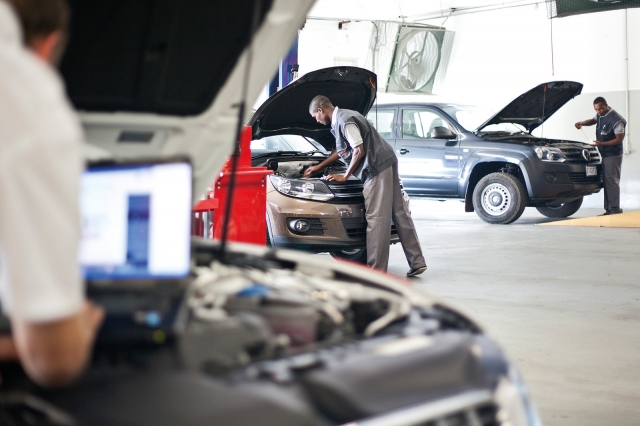
Illustrative image from www.autoinfo.co.th Column: Car Knowledge by: Jetsada Tantasetthi Magazine "Formula" February 2017 issue
Try observing engine assembly mechanics or other car parts in manufacturing plants, or car repair mechanics in garages in developed countries; everyone works with concentration. As for Thai mechanics, they might listen to music, shout jokes, or even bully and kick each other while getting parts. Therefore, there's no way they can work perfectly. Even when inspecting for defects, they are careless and sloppy. When checking tires, they're too lazy to rotate the wheels. When checking belts, they only look at the visible parts, even though they should check the entire length for cracks or imminent tears, or if it's accidentally caught in a groove.
A good, thorough mechanic must start and stop the engine again, remembering the previously inspected positions, to allow the parts that were in grooves to stop in a visible position. To inspect coolant hoses, you must open the radiator cap and squeeze the hoses to check if the rubber is not cracked or brittle, etc.
Believe it or not, 9 out of 10 cars we see with problems, stranded by the roadside, if you let us inspect and analyze the cause, I guarantee it's because they underwent inspection or repair by absolutely awful, terrible mechanics. This is the origin of the need to choose whether to repair our car before a long trip or not. However, inspection should always be done. Once defects are found, then consider and decide.
Article Source: www.autoinfo.co.th Column: Car Knowledge by: Jetsada Tantasetthi Magazine "Formula" February 2017 issue


Follow Motor Expo Club Network